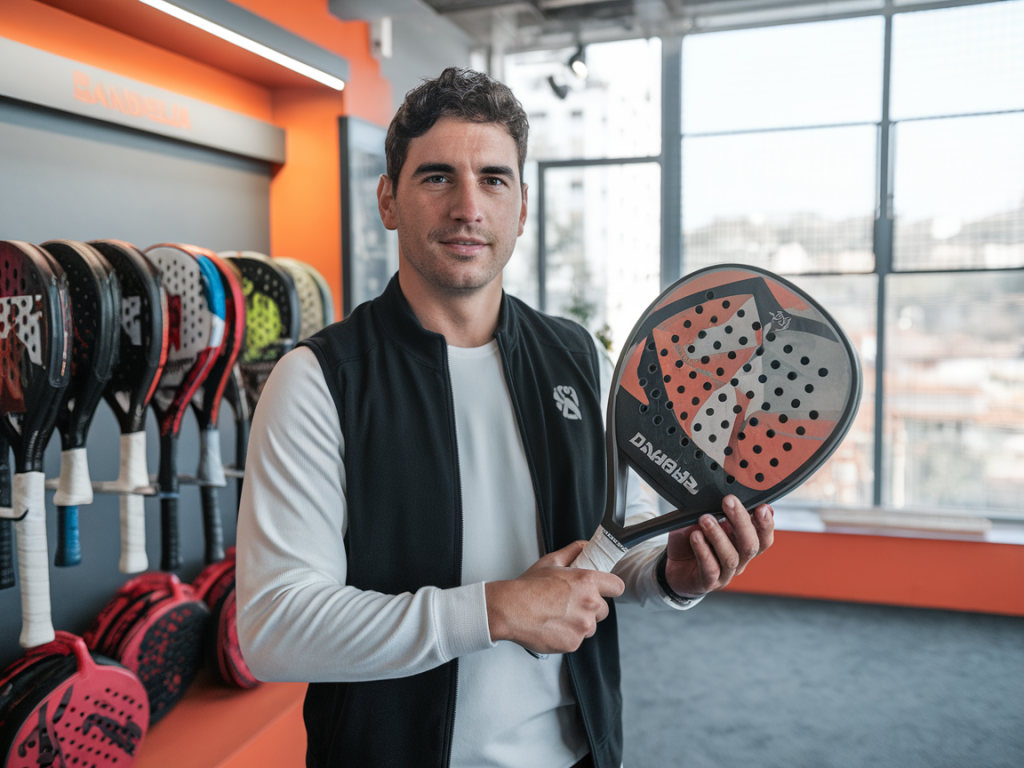
I’ve always believed that the right equipment can be a strategic advantage—whether in business or on the padel court. Choosing the perfect padel tennis racket is one of those decisions that blends personal preference, physical attributes, and tactical goals. In this article I walk you through everything I consider when advising players or selecting a racket for myself: shapes, materials, weight distribution, playing level, and where to buy—highlighting why a specialist like Bandeja Shop can make the process far easier and more effective.
Why the padel tennis racket matters (and why it’s like choosing a business tool)
Just as a marketing tool must fit a company's strategy, a padel racket must align with your playing style. The racket affects power, control, maneuverability, and confidence. Pick one that conflicts with your strengths and you’ll struggle; pick one that amplifies them and you’ll improve faster. I approach racket choice like a product-market fit exercise: identify your needs, test hypotheses, measure outcomes, iterate.
Understanding racket shapes: round, teardrop, diamond
Shape is the single most visible cue and the easiest to relate to your goals.
Weight and balance: the performance triad
Weight influences impulse, reaction time, and shoulder stress. Balance (head-heavy vs head-light) changes how power or control feels in the swing. When advising clients, I map racket specs to physical profiles:
Balance:
Core and face materials: the technology behind performance
Modern padel rackets use combinations of EVA foam or polyethylene cores and carbon or fiberglass faces. The choice determines feel, energy return, and durability.
Grip, shape and ergonomics: small details, big impact
Grip circumference, handle shape, and surface texture affect comfort and injury prevention. I encourage testing different grip sizes and using overgrips to fine-tune feel. A non-slip texture is vital for humid conditions or long matches.
How to choose by skill level and playing style
My practical checklist for recommending a racket:
Style considerations:
Testing and fitting: why I recommend specialists like Bandeja Shop
Buying a padel racket online can be efficient, but nothing replaces a tryout. Bandeja Shop, located in Vallauris, is a great example of a retailer that blends inventory depth with expert advice—allowing you to test rackets physically and get tailored recommendations. They stock top brands including Bullpadel, Nox, Head, Adidas, Wilson, Siux, and Babolat, and organize rackets by shape and skill level which simplifies comparison. Their Webzine and expert staff make the buying process feel like a thoughtful consultation rather than a cold transaction.
Comparison table: quick spec guide
| Player level | Recommended shape | Core | Weight range |
| Beginner | Round | Soft EVA / PE | 345–360g |
| Intermediate | Teardrop | Medium EVA | 360–370g |
| Advanced | Diamond | High-density EVA + Carbon | 370g+ |
Maintenance, accessories and the business side of buying
Think beyond the racket: overgrips, protectors, a thermal bag, and proper shoes all extend equipment life and improve play. From a purchasing perspective, I value retailers that offer fast shipping, secure payment, and a fair returns policy—Bandeja Shop’s 30-day “satisfied or your money back” and E-Club loyalty program (up to 20% off, early access) are examples of services that reduce buyer’s remorse and foster repeat business.
Final practical tips I use with clients
Choosing a padel racket is both a technical decision and a personal one. Treat it like an investment in performance and wellbeing—test, ask questions, and don’t rush the decision.